Atlas of Lost Doors / Levande bottenvåning
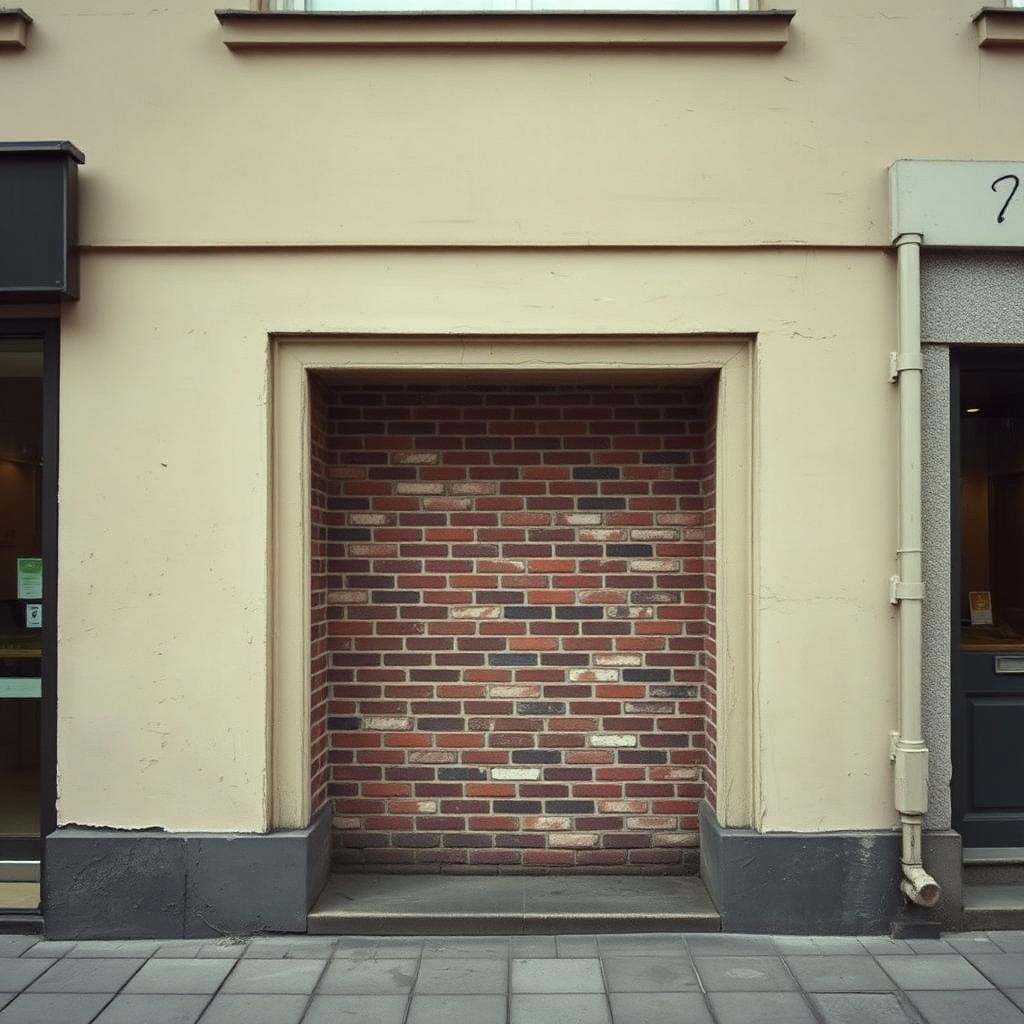
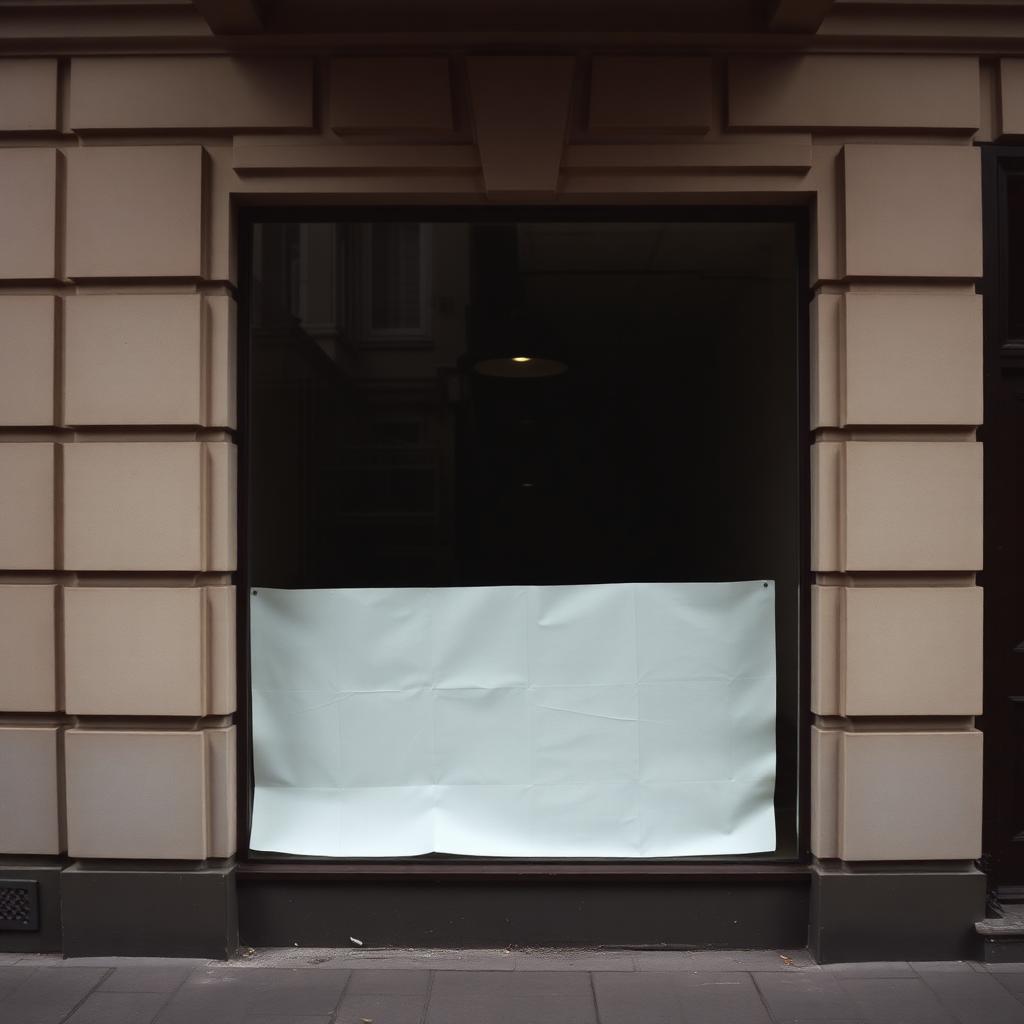
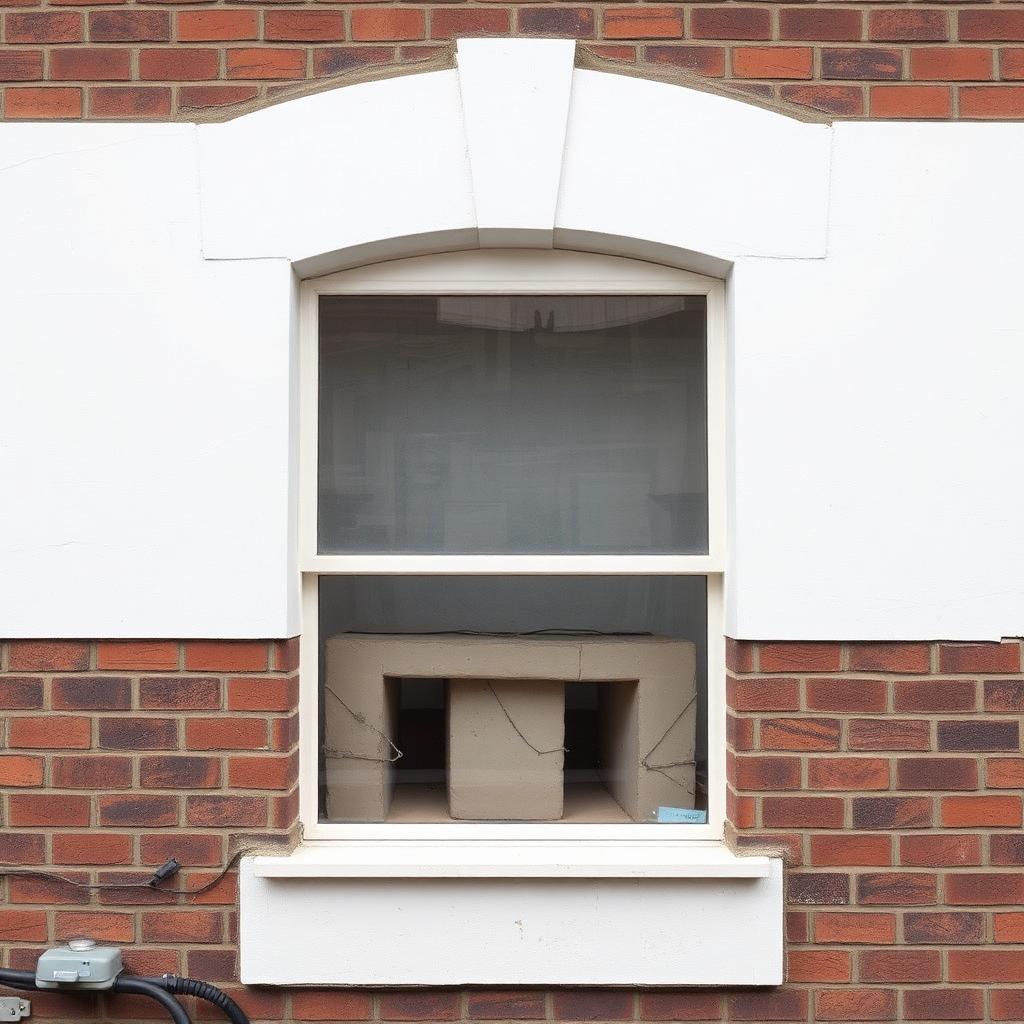
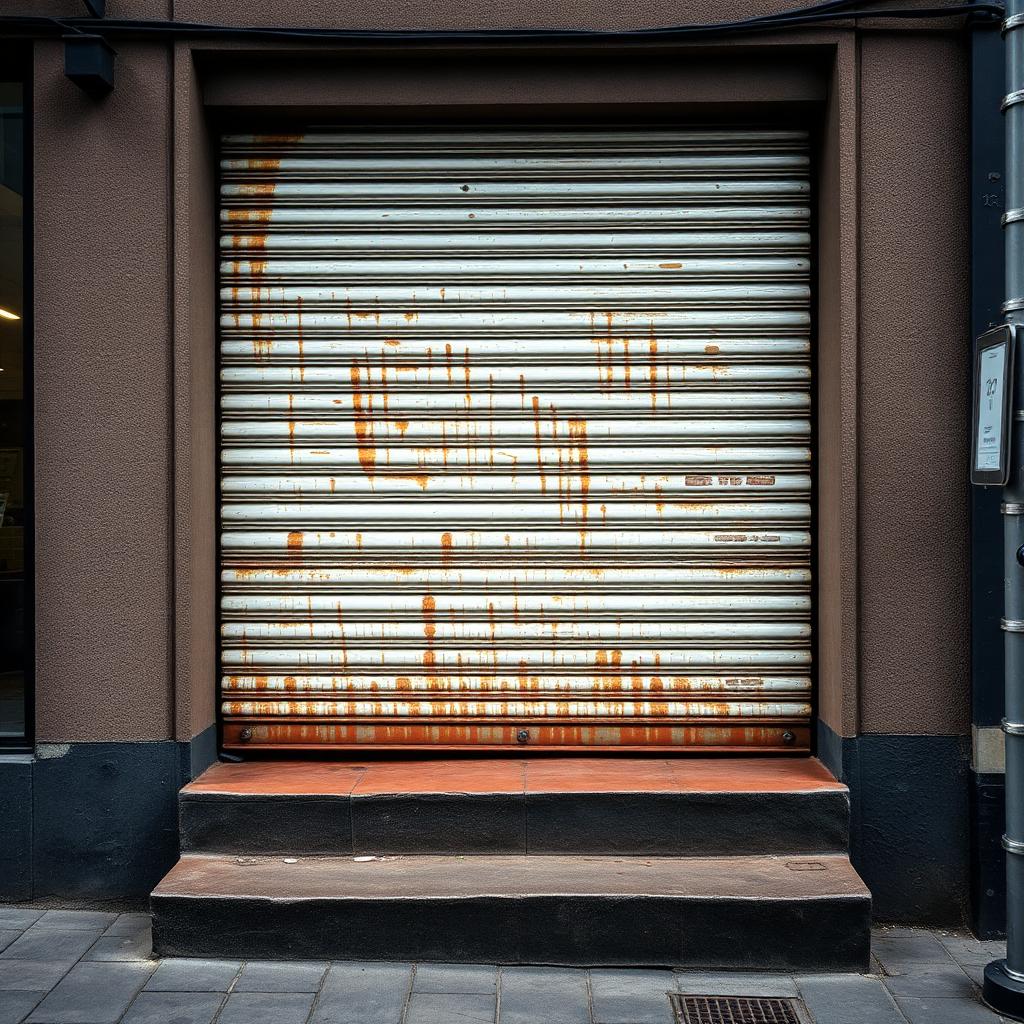
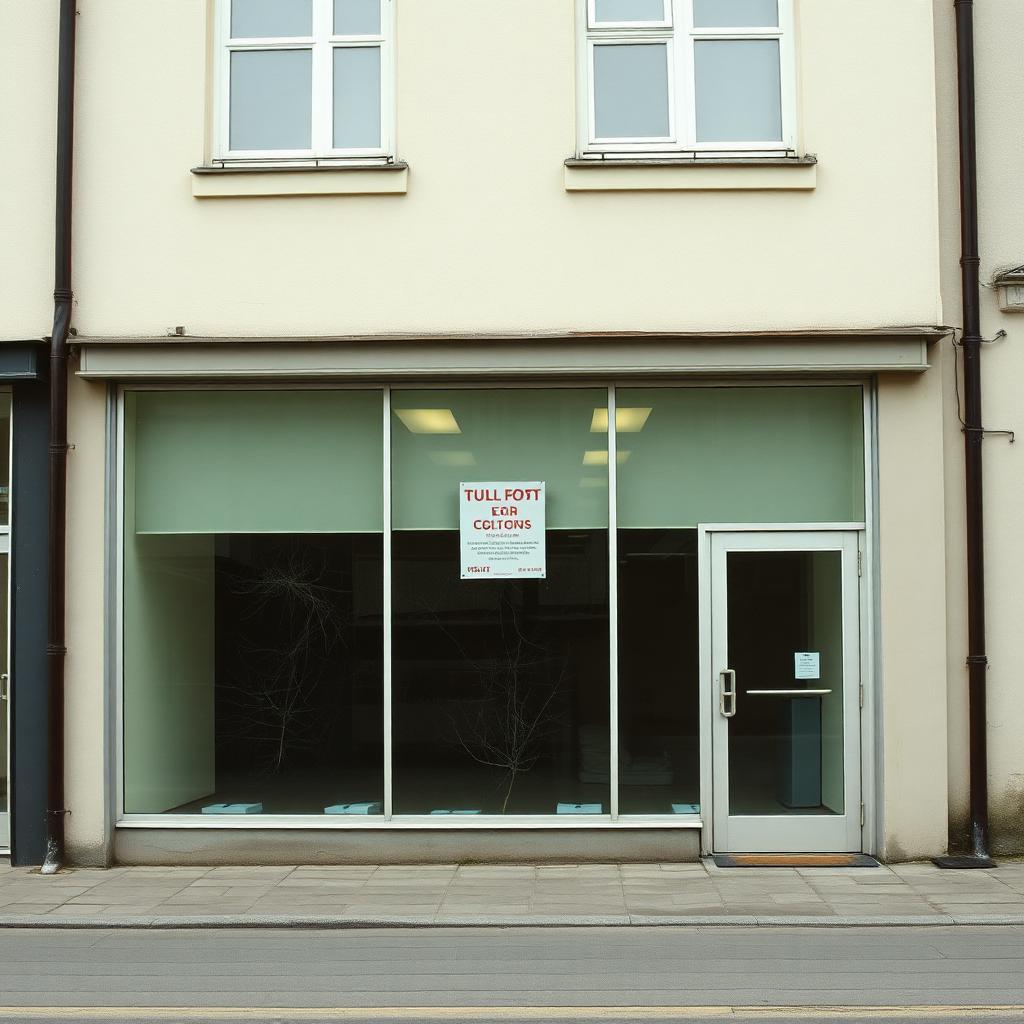
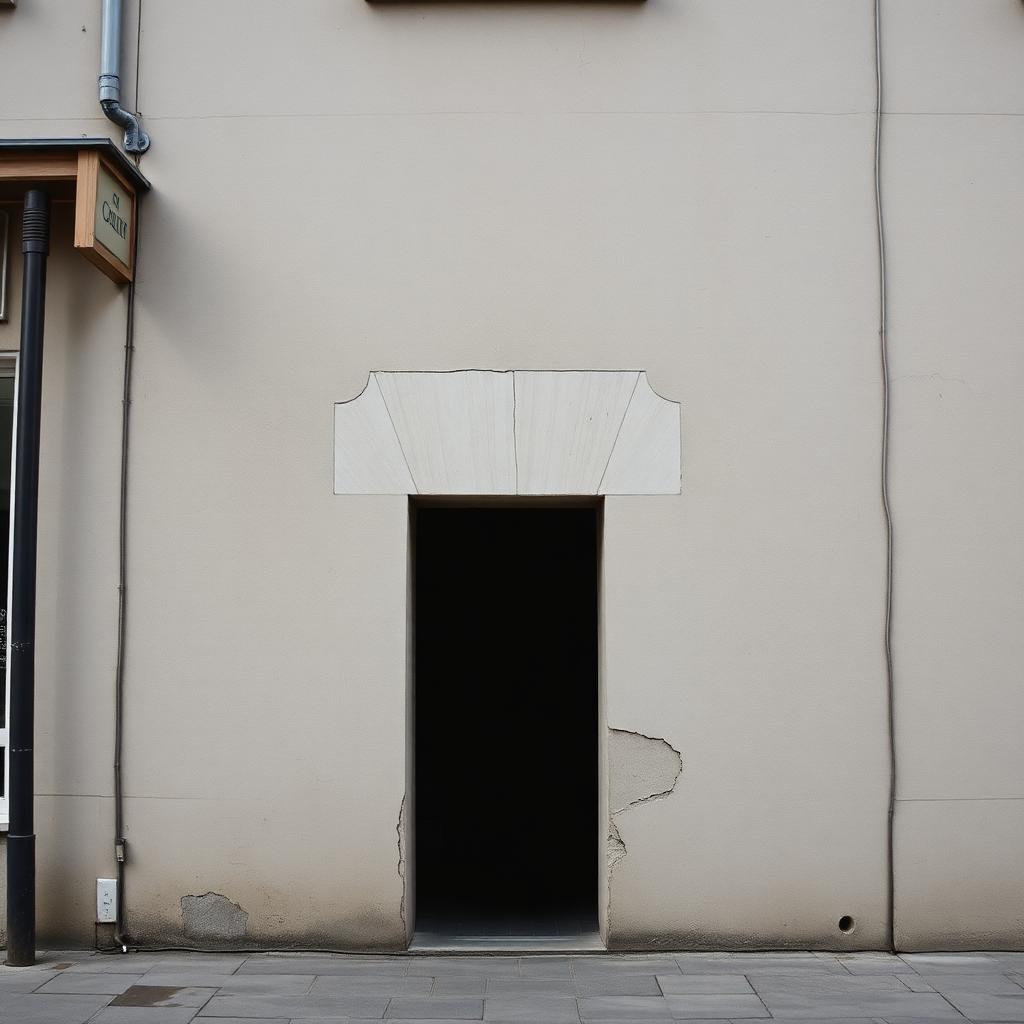
Levande Bottenvåning is a photographic archive of a changing urban landscape. Doors that have disappeared, openings that have closed for good, shops turned into private residences and entrances replaced by concrete walls.
Urban environments document their previous uses, former conditions and the decisions that have shaped a city's future. What stories do they tell? A story about a city that existed before we arrived? A story of another life that could have been lived here, a thriving urban environment that once existed but now is gone.
The city has always been an arena for the exchange of goods, knowledge and ideas. In the past, this exchange often took place directly on the city's streets and squares. With the introduction of the automobile, the street's spaces became dominated by traffic. Social and commercial areas moved indoors, often directly adjacent to the street, in the ground floor.
Today, the existence of public ground floors is no longer a given - shopping and social needs have moved online and the walls surrounding urban living environments grow higher and higher. In suburban centers many types of previously public ground floors are being converted into housing, and in the inner city, tenant-owner associations prefer to avoid cumbersome tenants.
When new neighbourhoods are being planned, the importance of creating “active ground floors” is always stressed. Dense environments with varied public offerings and shops on every street corner - echoing the way many parts of our central cities used to look. Once the coveted public ground floor premises are created, the rent is often so high that they end up empty or homes to chain stores and real estate brokers.
To further complicate the situation, we now see an accelerated development where empty storefronts line our city streets as a result of the pandemic as locals flee urban environments for the safe vastness of suburbia. This creates an ever more anonymous and fragmented urban landscape - a situation that urban archaeologists of the future will hold our contemporaries accountable for.


An independent think tank, curating practice and gallery space in Malmö, working at the intersection of art, public policy and architecture.
Karlshamnsgatan 4 (shopfront)Malmö, Sweden